






Tour privé Kuala Lumpur
Réservez un tour privé avec un guide malaisien francophone. Découvrez Kuala Lumpur avec un local malaisien.
Guide francophone malaisien
Vous cherchez un guide en Malaisie qui parle français ? Nous vous présentons Iman Fauzan, qui rendra votre voyage en Malaisie unique.
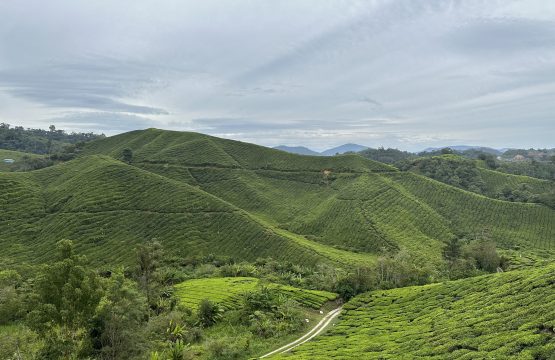
Excursion privée aux Cameron Highlands
Visitez Cameron Highlands, les célèbres champs de thé à 2h30 de Kuala Lumpur, avec un guide et chauffeur privé.
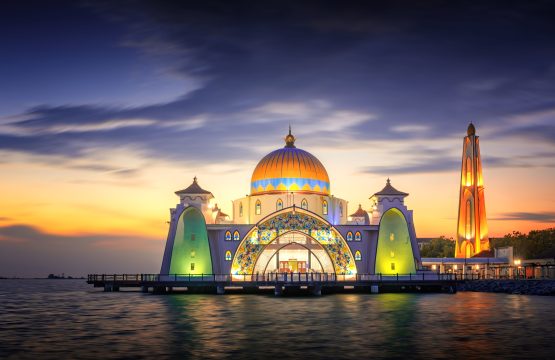
Excursion privée Malacca
Chauffeur privé, guide privé francophone, au départ de Kuala Lumpur, seul ou jusqu'à 4 personnes pour découvrir Malacca.
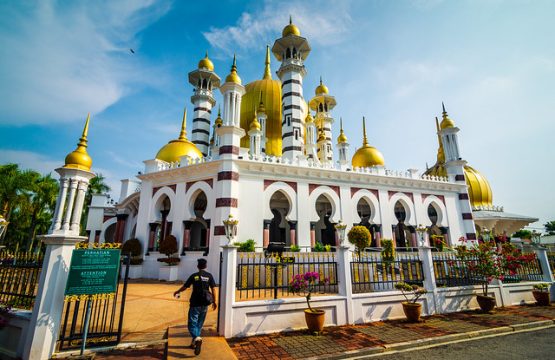
Excursion privée Ipoh
Découvrez la mosquée chinoise d'Ipoh, la vieille ville, et la magnifique mosquée de Kuala Kangsar.
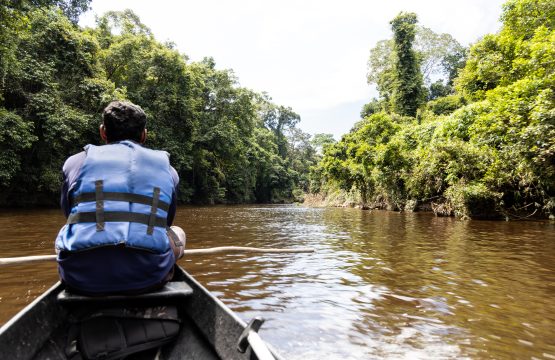
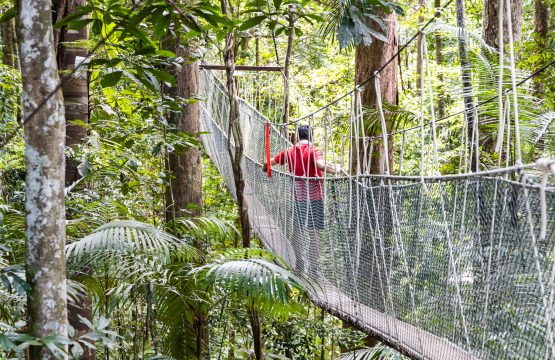
Excursion Taman Negara
Explorer le parc national de Malaisie. Un guide forestier vous accompagnera lors de votre excursion privée.
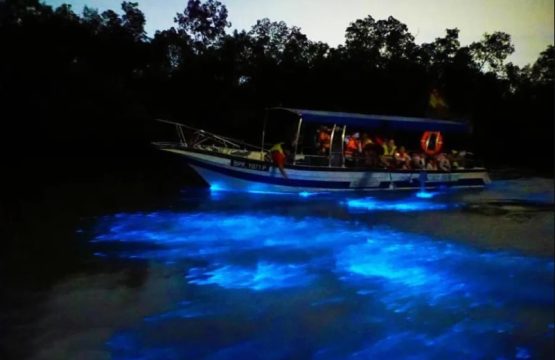
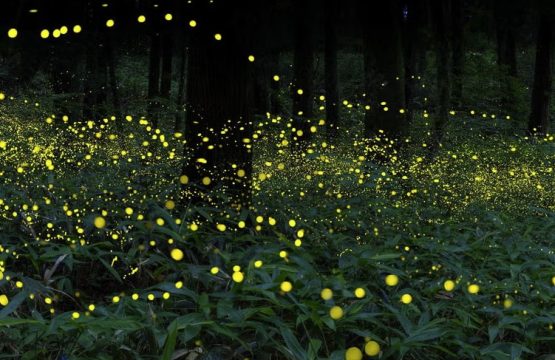
Demi-journée sur Kuala Selangor
Une excursion d'une demi-journée au départ de Kuala Lumpur. Partez découvrir Kuala Selangor et ses mythiques lucioles.
Nos dernières vidéos Youtube


Surau = salle de prières Malaisie #malaysia #islam #solat
Ramadan en Malaisie : Bazar Putrajaya #ramadan #malaysia #putrajaya
Masjid Al Azim, Melaka, Malaysia - Unique style mashaAllah #melaka #masjid #islam
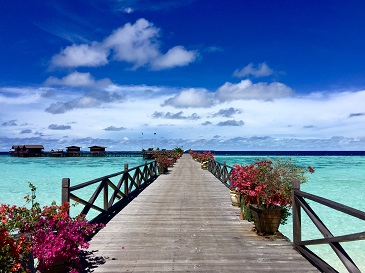
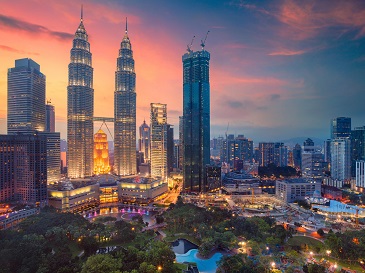

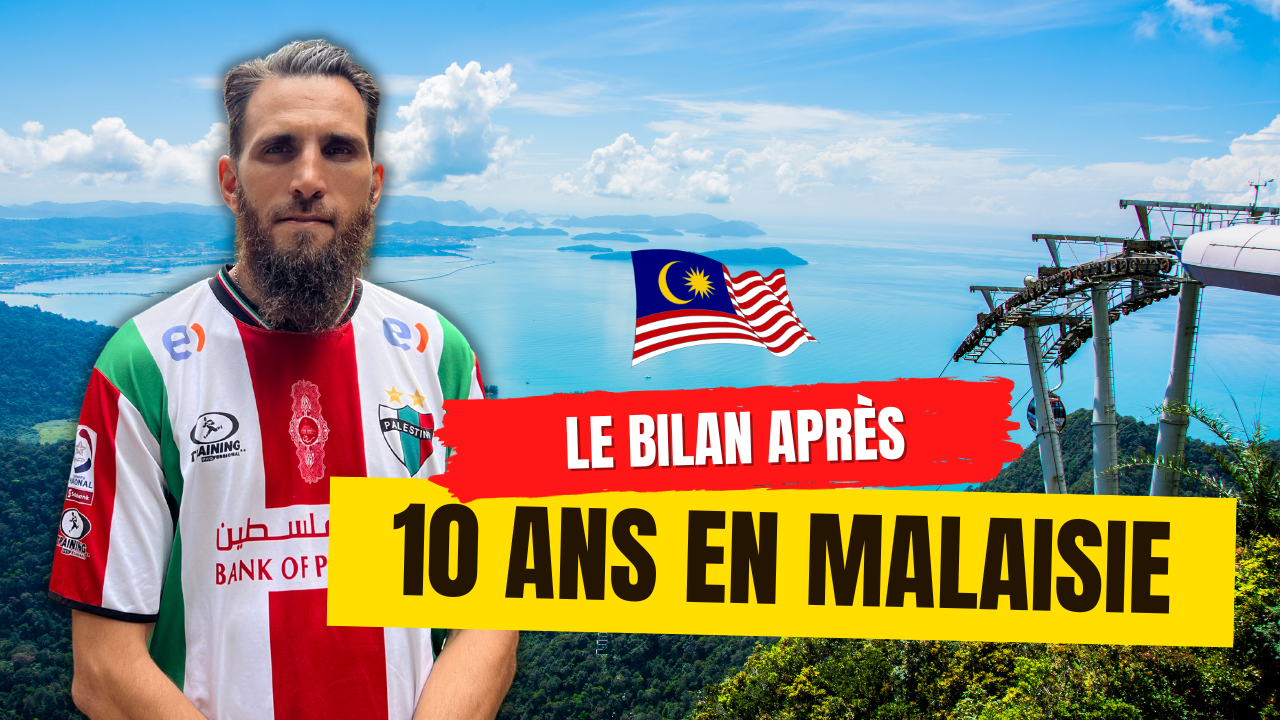
Vincent a quitté la FRANCE pour la MALAISIE LANGKAWI : bilan après 10 ans
Sommaire Quitter la FRANCE pour la MALAISIE LANGKAWI : bilan
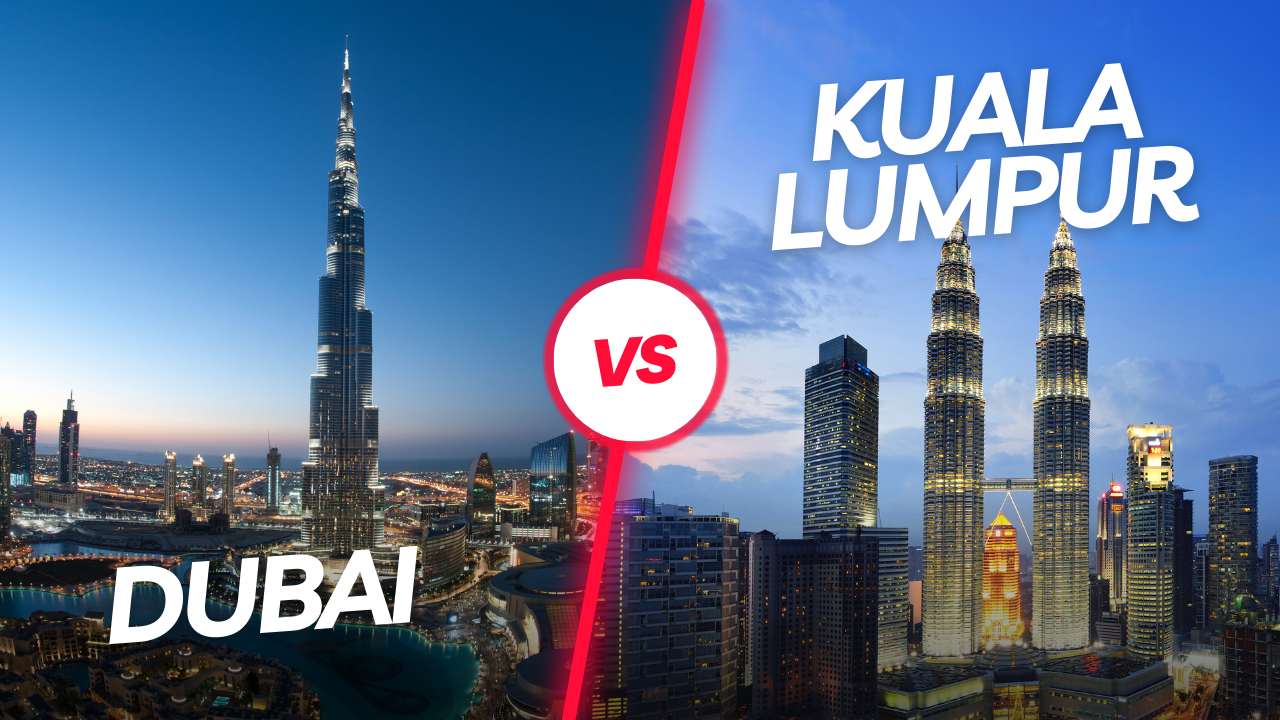
Vivre à Dubaï VS Vivre à Kuala Lumpur : l’expérience de Jeremy
Sommaire Vivre à Dubaï VS Vivre à Kuala Lumpur :
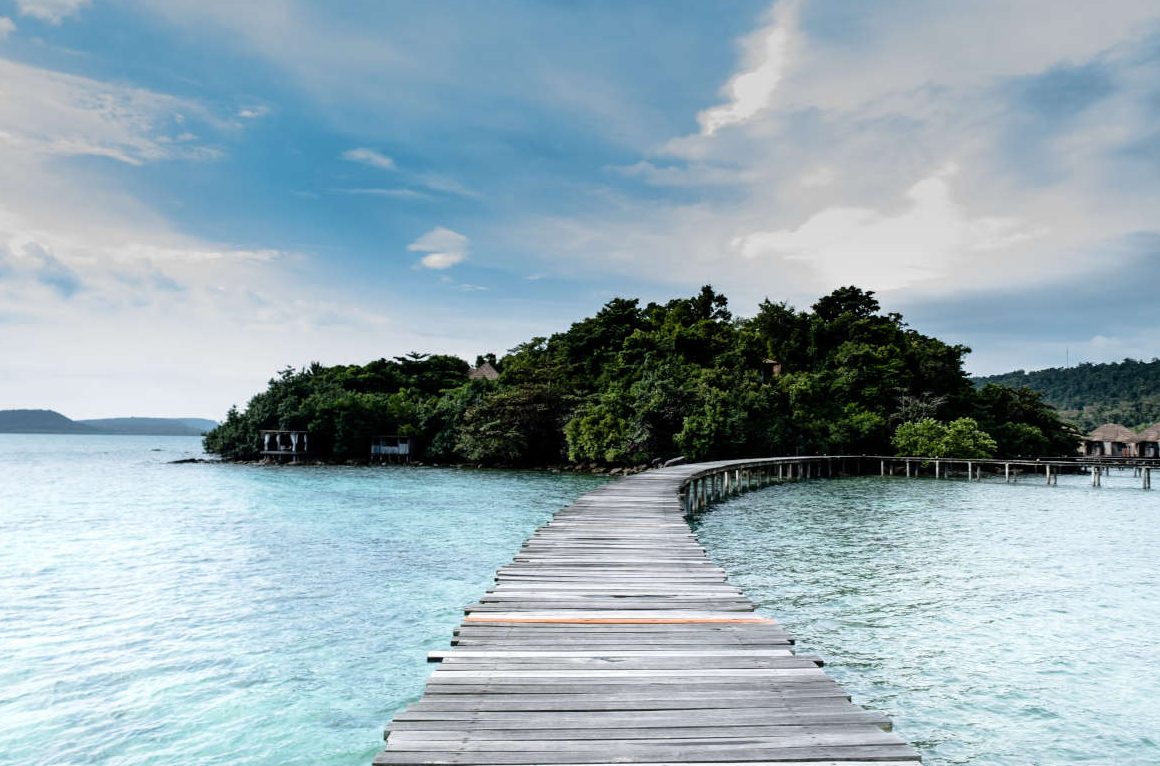
Les meilleures choses à faire lors de votre circuit au Cambodge
Les meilleures choses à faire lors de votre circuit au